
01 🔎
Verify the source
Check the page address carefully. Avoid lookalike domains, unsolicited links and installers sent over chat.
Read the guideLearn the essentials of local keys, offline recovery backups and careful transaction review through a wallet-focused experience.
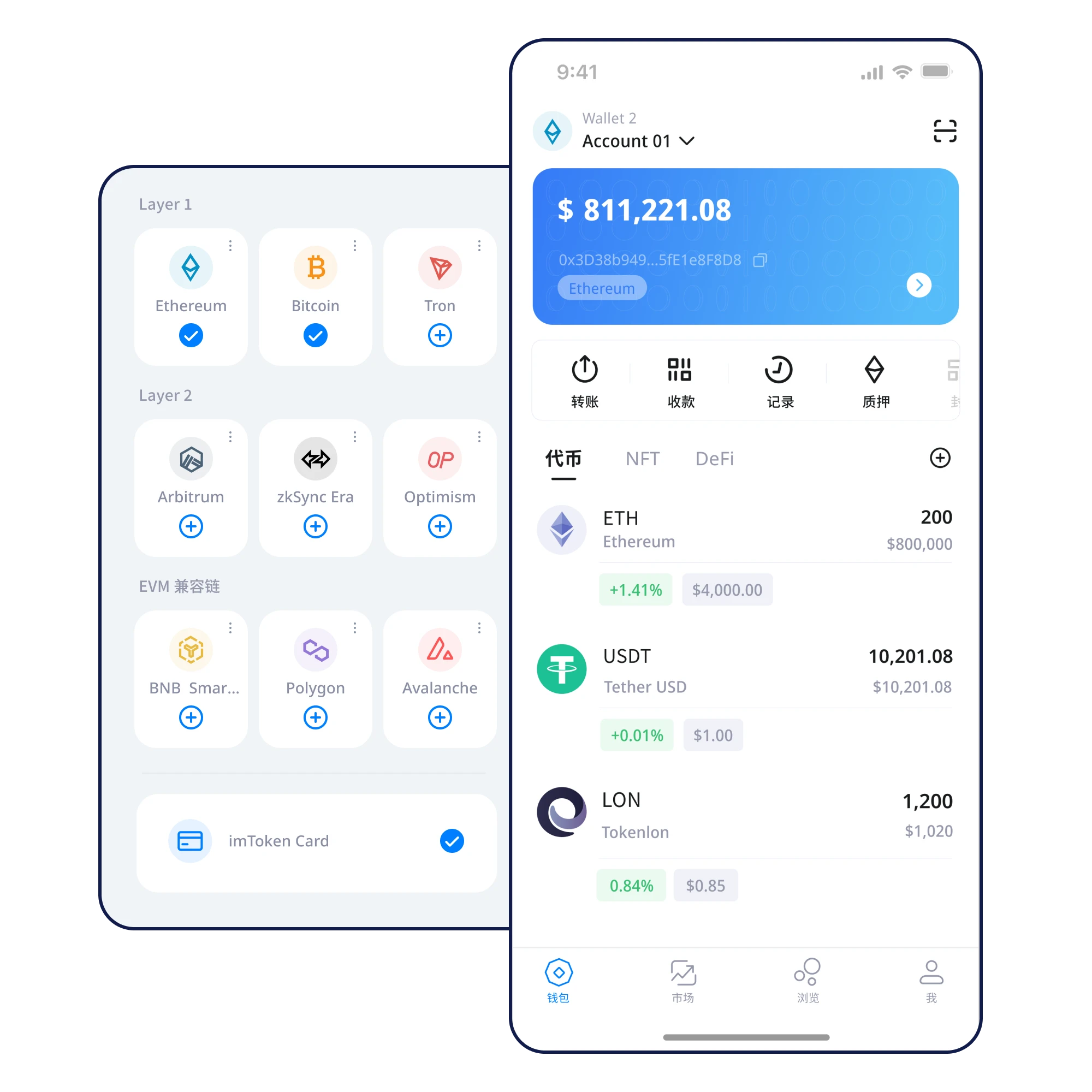
A focused view of assets, networks and backup reminders. These balances are illustrative UI data, not real accounts or company metrics.
Build recovery readiness first, then approach asset actions with care.
Check the page address carefully. Avoid lookalike domains, unsolicited links and installers sent over chat.
Read the guideReview permissions on your own device and understand the difference between creating and importing a wallet.
Read the guideRecord words and their order accurately offline. Avoid screenshots, cloud documents and messaging apps.
Read the guideCheck the backup for completeness and store it securely; a device password is not a substitute.
Read the guideMatch token names with their network and contract; never mistake interface previews for on-chain funds.
Read the guideCheck the receiving address, network, amount and permissions before signing an irreversible action.
Read the guideYour key credentials determine wallet access. Protect your device and keep recovery information offline.
Learn more
A verified backup matters more than improvised help when you change devices or lose local access.
Learn more
Look beyond familiar token names: networks, recipient addresses and contract approvals all deserve a second look.
Learn more
Know who controls credentials and protect both your device and backup.
Inspect network, address, amount and permissions before signing.
Prepare a recovery route you can use without outside assistance.
A simple index to practical guidance, without the jargon maze.
Fake domains, recovery-phrase requests, mistaken networks and unknown approvals can expose you to avoidable risks.
Verify the complete domain, not an urgent message.
Never submit recovery words to support chats or websites.
Compare the asset network and full address before signing.
Self-custody puts responsibility for signing credentials with the user. Verify the actual implementation in product documentation.
Checking on-chain balances generally requires connectivity, while recovery credentials should be stored offline.
Write it down in the correct order offline. Avoid screenshots, cloud notes, email and messages.
A private key authorizes blockchain operations. A recovery phrase can typically restore a related set of keys.
Verify the source, understand recovery phrases and review transactions carefully before getting started.
⬇ Download NowDesktop download is under maintenance; mobile devices can open the download information page.